Ice and Flame: A Dangerous Game of Sabotage and Forbidden Romance


Ice and Flame immediately throws viewers into a high-stakes collision between ambition and forbidden attraction. When a desperate journalist goes undercover to ruin a notorious hockey captain, the resulting sparks ignite one of the most compelling sports romances of the year. This mini series blends the adrenaline of professional sports with the intoxicating tension of an enemies-to-lovers dynamic, creating a binge-worthy spectacle that refuses to let go. If you crave a narrative where every lingering glance feels like a ticking time bomb, this is your next obsession.
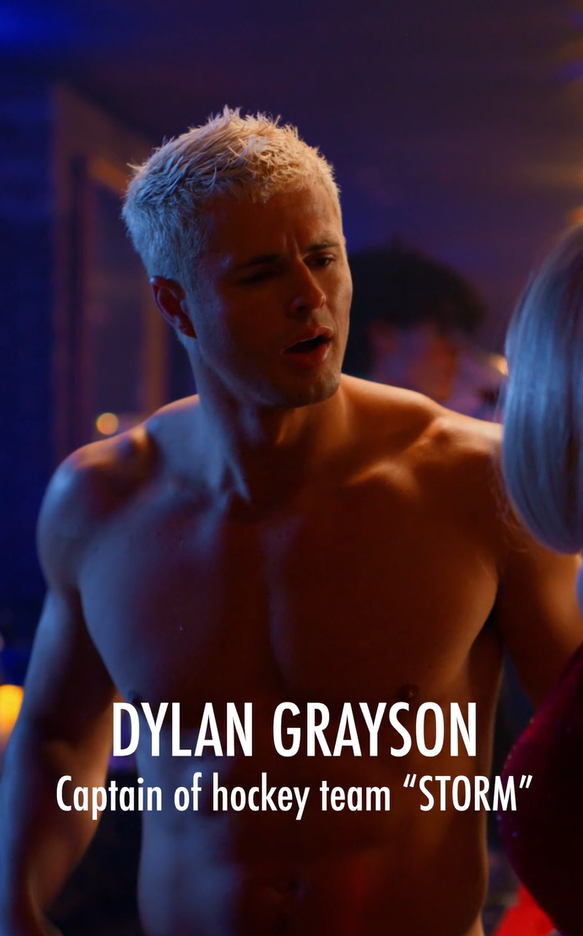
The premise sets a perfect trap for our protagonists. Emma is a brilliant but struggling journalist whose career is on the verge of collapse after a botched sting operation. Desperate for a comeback, she adopts the alias Diana Cooper and infiltrates the inner circle of Dylan Grayson, the arrogant and wildly successful captain of the city’s premier hockey team. Her goal is ruthless: become his live-in personal assistant, dig up dirt, and expose a career-ending scandal.
Yet, the deeper Emma plunges into Dylan’s chaotic reality of media frenzies and luxury parties, the blurrier her objective becomes. She discovers that the so-called spoiled athlete is harboring profound trauma, masking a history of abandonment behind his playboy facade. To complicate matters, a sinister force is actively sabotaging Dylan’s career from the inside. What begins as a cold, calculated mission transforms into an emotional minefield of forced proximity and undeniable desire.

Unveiling the Ice-Melting Chemistry: Sarah Sheehan and Jared Kenneth Staub in Ice and Flame
The success of any romantic short drama hinges on its leads, and the casting here is nothing short of electric. Sarah Sheehan shines as Emma, bringing a grounded resilience to a woman torn between her professional survival and her rogue heart. Sheehan perfectly balances Emma’s sharp, strategic mind with the vulnerability of someone slowly falling for her target.
Opposite her, Jared Kenneth Staub delivers a knockout performance as Dylan Grayson. Staub captures the duality of the wounded playboy with precision. On the surface, he is the untouchable hockey god, but through stolen moments and entries in his private diary, Staub reveals the terrified, bullied boy hiding beneath the muscle and arrogance. Their dynamic is a reversed grumpy-sunshine trope where Dylan's loud, chaotic energy slowly thaws Emma's guarded, cool exterior.
The supporting cast amplifies the tension at every turn. Natalie Maymon is delightfully toxic as Lauren, Dylan’s manipulative PR rep and ex-girlfriend who thrives on playing dirty. Eric Ruggieri grounds the narrative as Coach Alex, the desperate father figure trying to hold a fractured team together. Meanwhile, Jake Cameron adds a layer of unease as Christopher, Dylan’s seemingly loyal teammate who harbors dark, smiling secrets.
Sabotaged Water Bottles and Locker Room Secrets: The Narrative World of Ice and Flame
What elevates this mini series beyond a standard romance is its gripping suspense subplot. This isn't just about stolen kisses in empty hallways; it is about survival in a cutthroat industry. The narrative masterfully weaves in a mystery involving drugged drinks, internal betrayals, and a calculated plot to destroy the team from within.
Every episode of this vertical drama is engineered to maximize suspense. The pacing is relentless, pulling the audience in with razor-sharp banter before locking them down with high-stakes emotional reveals. The creators utilize cinematic techniques—such as intimate inner monologues, strategic voiceovers, and slow-motion flashbacks—to heighten the psychological weight of the story. You aren't just watching Emma and Dylan fall in love; you are watching them navigate a psychological war zone where trust is the most dangerous currency.
How Ice and Flame Masterfully Flips the Fake Identity Script in Vertical Drama
The fake identity trope is a staple of the romance genre, but this series injects it with a fresh, adrenaline-fueled edge. Emma’s deception as Diana Cooper creates a delicious layer of dramatic irony. Every time Dylan opens up to her, the audience feels the agonizing weight of her secret. The forced proximity of their living arrangement turns mundane moments—like sharing a kitchen or navigating late-night insomnia—into battlegrounds of suppressed desire.
Unlike predictable narratives, the emotional payoff here feels earned. The progression from bitter enemies to reluctant allies, and finally to desperate lovers, is mapped out through small, significant interactions rather than rushed plot devices. When the inevitable betrayal drops, it hits with the force of a slapshot, leaving both the characters and the viewers reeling.

The 72-episode structure of this short drama is perfectly calibrated for the modern viewer. Each bite-sized installment ends on a meticulously crafted cliffhanger, ensuring that the transition to the next episode is practically involuntary. Whether it is a near-miss discovery of Emma's true credentials or a sudden, heated confrontation in the locker room, the series understands exactly how to manipulate viewer anticipation. It proves that micro-dramas can deliver rich, multi-layered narratives without needing hour-long runtimes.
Ultimately, this journey is a masterclass in tension and emotional resonance. It asks a compelling question: what happens when the monster you were sent to slay is the only person who truly understands you? For fans of intense, character-driven storytelling, this is a triumphant, must-watch experience that will leave you breathless long after the final buzzer sounds.