The Covenant of Betrayal: When the She-Wolf Reclaims the Altar

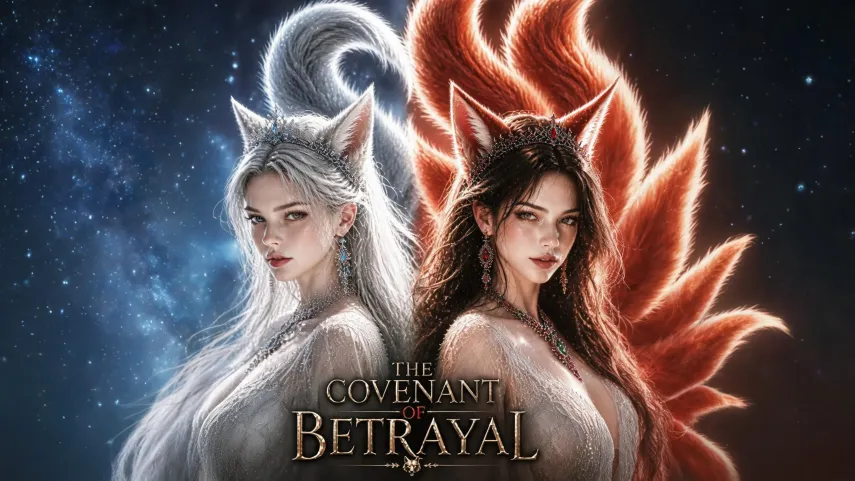
The Covenant of Betrayal doesn't bury its best argument — it opens with it. Available to stream in full on ShortMax, this orc-world drama positions its most devastating moment not at the altar, but in every calculated move Rose makes after she's forced to leave it. The woman who was supposed to be erased becomes the one who engineers the erasure of the man who tried.
That's the thesis. The rest of this drama is the proof.
The Ceremony That Was Designed to Erase Her
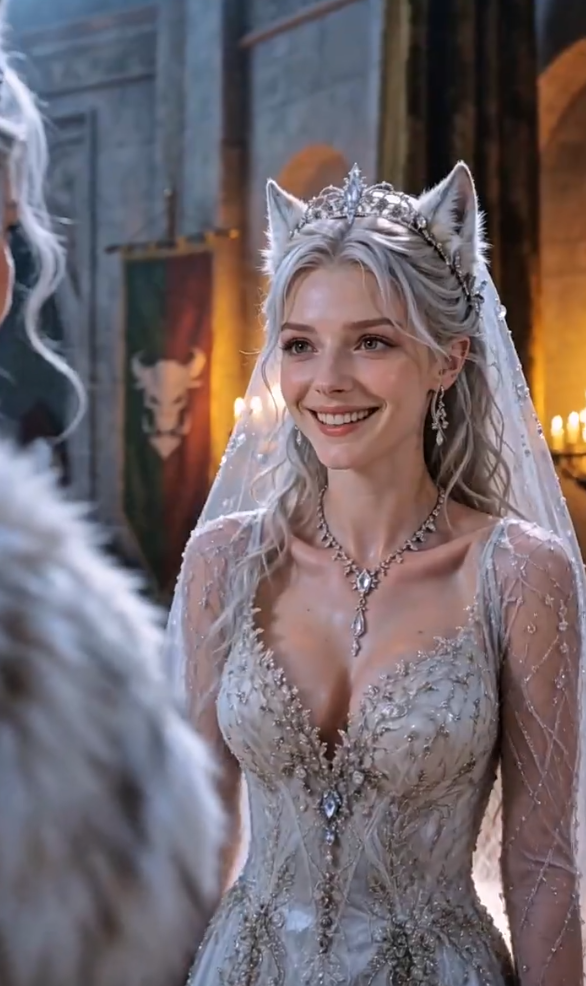
Rose walks into her own vow ceremony and finds her fiancé's so-called friend standing at the altar — in the exact same gown. This isn't coincidence staged for dramatic irony. It's a public execution of her position, performed inside the very ritual that was supposed to confirm it. He doesn't simply ignore Rose; he chases her out, leaving her alone beneath the soul-binding crystal while he disappears with the other woman. The crystal, designed to seal their bond before witnesses, becomes instead a monument to what he chose instead of her.
Then he takes his mistress to Moonlight Lake — sacred ground, the kind of place that carries real weight in wolf culture. That choice isn't casual. It tells Rose everything she needs to know about how long this has been happening and how deliberately she was kept outside of it.
Rose and the Architecture of Reclamation
As a consequence carrier, Rose absorbs every blow the story lands first: the dress, the altar, the exile, the lake. But The Covenant of Betrayal earns its premise by showing what she does with those consequences rather than just how she suffers them. She severs the soulbond. She claims every crystal her fiancé ever spent on his mistress. She ensures the Council of Elders is present when he discovers she already ended a pregnancy he didn't even know existed.
These are not impulsive acts. They target infrastructure — the bond he relied on, the wealth he redirected, the legacy he assumed was secured. Rose understands the exact value of what she was promised in this world, and she knows precisely how to dismantle it piece by piece. The empire she builds afterward isn't described in detail, but its existence is the story's final statement. She doesn't simply endure. She constructs.
The Hybrid Prince and the Gamble He Lost
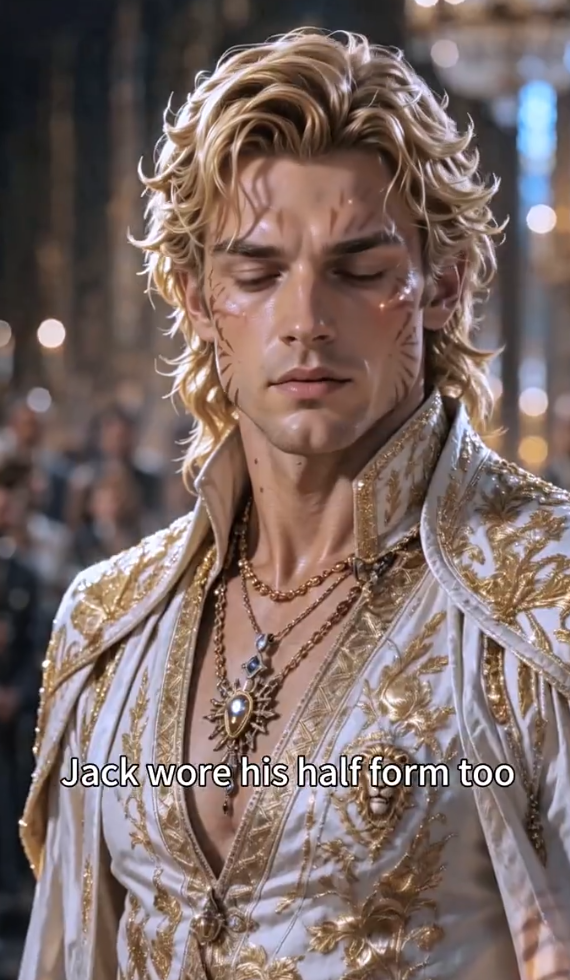
The fiancé exists in this story to define Rose by opposition. He is a hybrid prince — status by birth, spent carelessly. He runs two women simultaneously, treats sacred spaces as interchangeable tokens of affection, and seems to have never considered that either woman might stop waiting on his decision. His dramatic function is contrast, not complexity. Everything Rose earns through precision, he forfeits through assumption.
The Council of Elders scene is where the contrast reaches its peak. He discovers — publicly, formally, in the space where loss of face is permanent — that Rose ended a pregnancy he never knew about. His power was always structural, inherited, and performed. Hers, the story argues, was strategic the entire time. He gambled on two women and lost them both in the same moment.
The Fox Who Never Had a Winning Hand
The mistress — a fox — holds the story's most uncomfortable position, and the dramatic irony surrounding her is the element that keeps the plot from being a simple revenge fantasy. She wears the same gown as Rose. She is taken to Moonlight Lake. From the outside, she appears to be the one who won the night. But the story ends with her tails cut as punishment, which means whatever position she appeared to occupy was never protected and never truly hers.
The audience can read what she cannot: she was deployed as a weapon in a scheme that ultimately punished her for participating in it. In this world, a fox's tails carry status and standing — losing them is not a symbolic gesture. It is a structural demotion. She absorbed the consequences of a man's choices while he lost almost everything, and she lost something she can never fully recover.
Why the Cold Ending Still Lands
A fair counter-consideration: Rose's final moves are ruthless. The soulbond severance, the crystal seizure, the pregnancy revelation deployed as a public weapon — none of it is softened, and the story doesn't ask the audience to find it comfortable. The pregnancy element in particular arrives as ammunition rather than wound, and some viewers will feel the weight of that framing.
But the story's logic holds because it is consistent. Rose exists in a world where power is enacted through public ceremony — before councils, under sacred rituals, through soul-binding crystals. She was attacked in that language. She responds in that language. The Covenant of Betrayal is not a warmth narrative. It is a power narrative, and it insists that a woman who is wounded publicly has the right to recover publicly, using every tool that world made available to the man who hurt her.
recos:

Where to Watch The Covenant of Betrayal
If you've been searching for where to watch this series or want to catch up on all available episodes, ShortMax carries the full version of the story from the wedding ceremony to the aftermath.