
The Godfather Book Review: Mario Puzo's Masterpiece of Power, Loyalty, and Betrayal

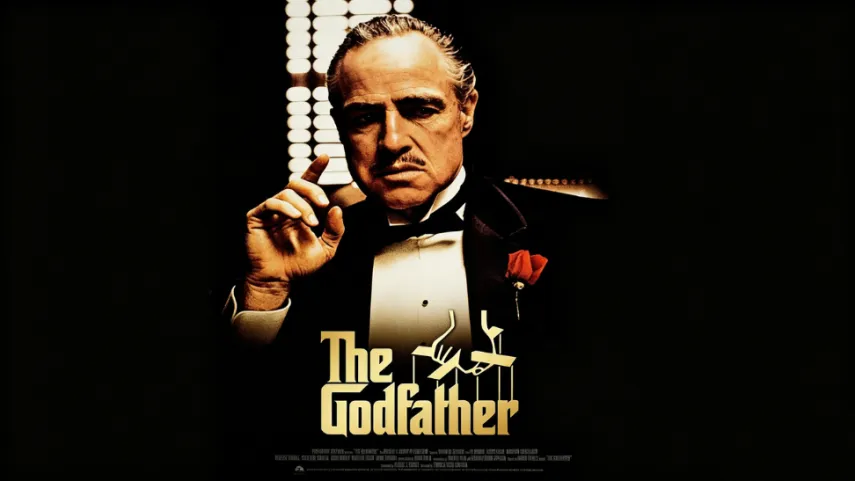
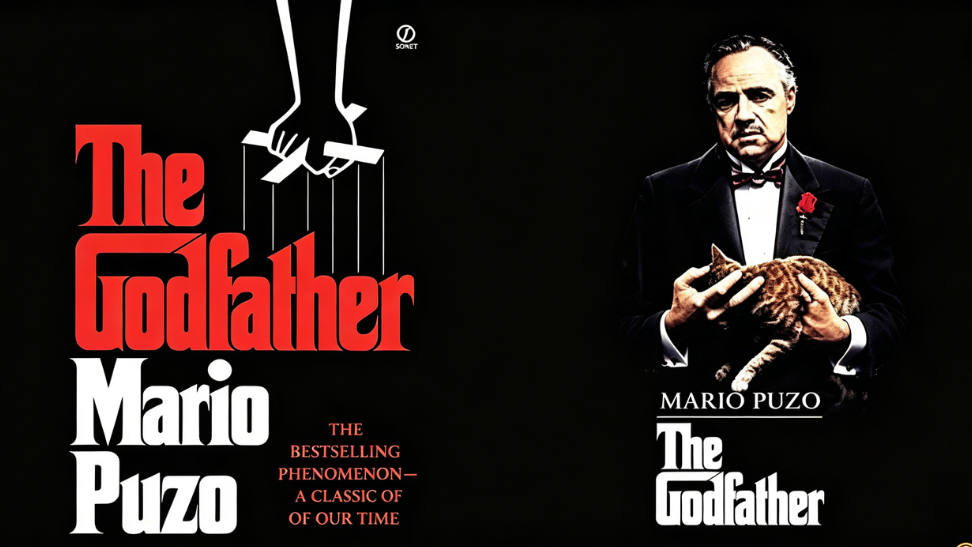
If you've ever been pulled into a web novel where powerful men run empires from the shadows, where loyalty is the only currency that matters, and where one wrong move can get you killed — then The Godfather by Mario Puzo is the original blueprint.
Published in 1969, The Godfather didn't just become a bestseller. It became a cultural earthquake. It spawned one of the greatest movies ever made, reshaped how the world imagines the mafia, and gave us a vocabulary for power that we still use today. Phrases like "I'll make him an offer he can't refuse" didn't come from the film first — they came from these pages.
But here's the thing most people don't know: the book is even better than the movie.
If you're a fan of dark mafia fiction, crime sagas, or morally complex characters who walk the line between monster and patriarch, this review is for you. By the end, you'll know exactly what this novel is about, why it works so well, and whether it belongs on your reading list.
Spoiler: it does.
Who Is Mario Puzo — The Author Behind The Godfather?
Before we dig into the story itself, let's talk about the man who wrote it.
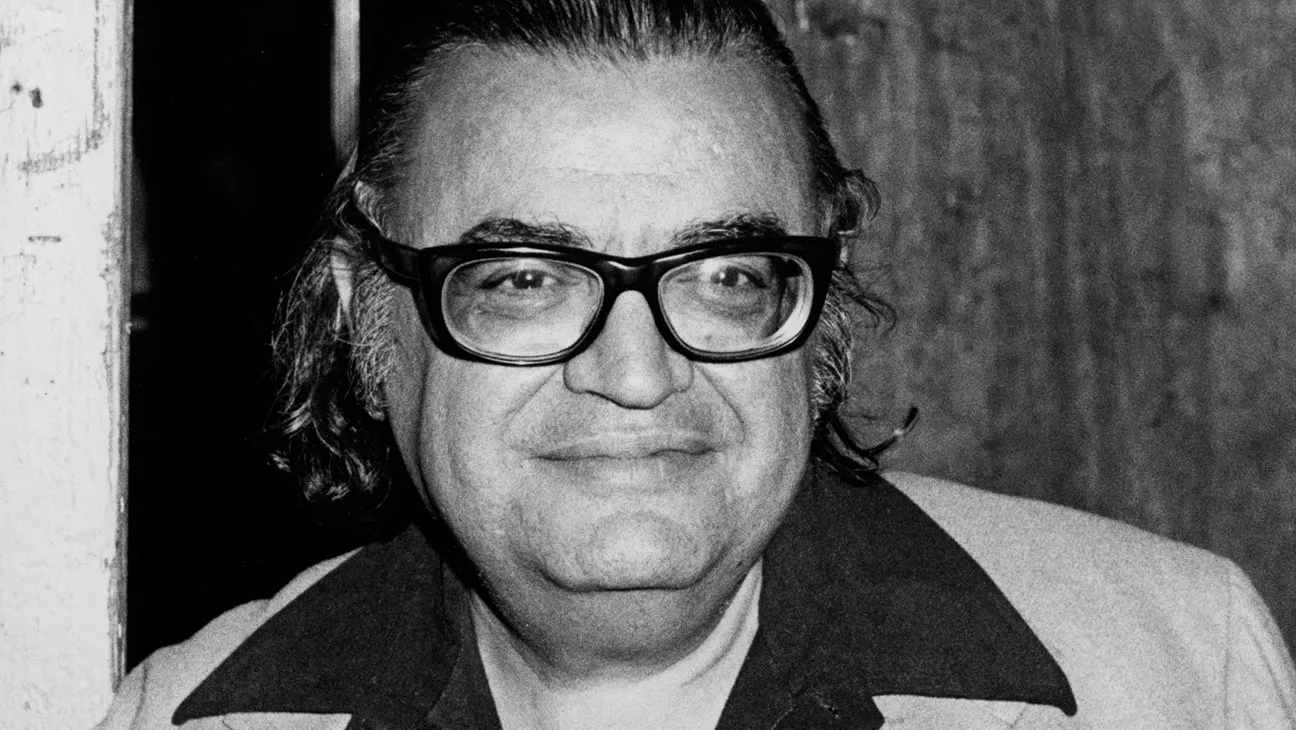
Mario Puzo (1920–1999) was born and raised in the Hell's Kitchen neighborhood of New York City, the son of poor Italian immigrants from Naples. He grew up surrounded by poverty, street toughness, and the unspoken codes that immigrant communities used to survive in America. He didn't grow up in the mob — but he grew up in its shadow.
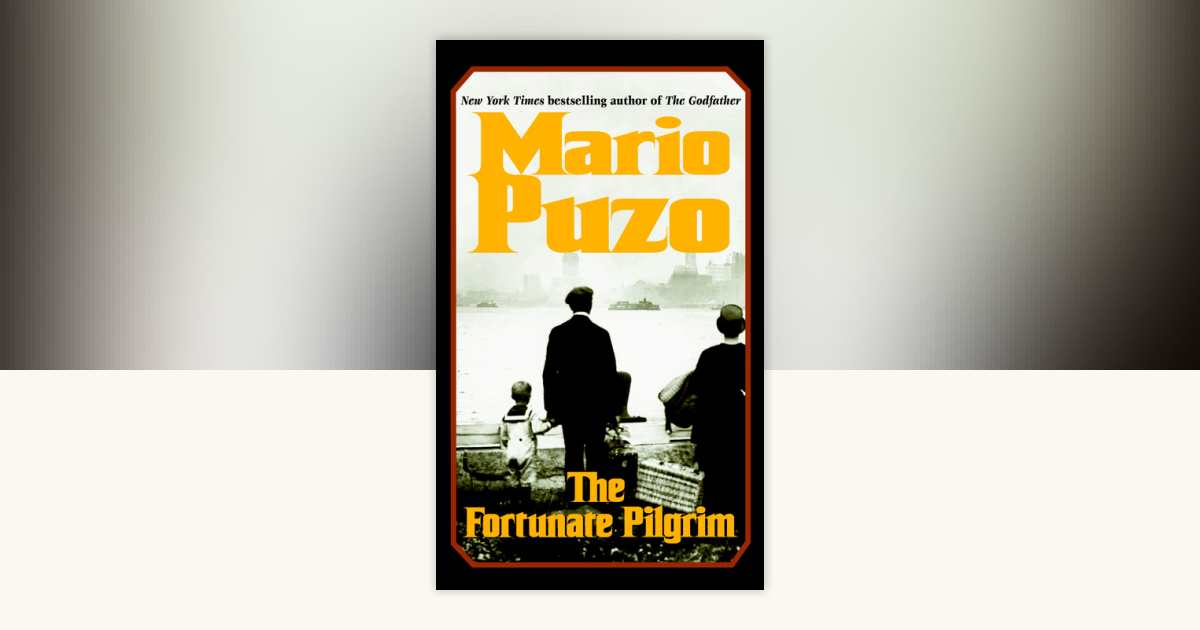
Puzo spent years as a struggling writer. He wrote two literary novels — The Dark Arena (1955) and The Fortunate Pilgrim (1965) — both of which were critically praised and commercially ignored. He was broke, in debt, and desperate when he made a decision that would change everything: he would write the book he knew would sell.
That book was The Godfather.
Puzo later admitted he had never met a real mobster before writing it. He built his portrait of the Corleone family almost entirely from research, imagination, and an intimate understanding of Italian-American culture and the immigrant experience. The result was so vivid and authentic that actual organized crime figures reportedly told him he must have been "one of them."
He wasn't. He was just that good.
After The Godfather became a phenomenon, Puzo co-wrote the screenplays for the first two Godfather films alongside director Francis Ford Coppola, earning two Academy Awards for Best Adapted Screenplay. He went on to write other novels — Fools Die, The Sicilian, The Last Don — but The Godfather remained his defining masterpiece.
What Is The Godfather Book About? (Plot Overview — No Major Spoilers)
At its core, The Godfather is a story about a family trying to hold its empire together while the world changes around it.
Vito Corleone is the patriarch — the Godfather. He's the most powerful Mafia boss in New York, a man who built his empire not through reckless violence but through calculated favors, strategic alliances, and an iron code of honor. He is, by every measure, a criminal. And yet Puzo makes you understand him, respect him, and in some ways love him.
Vito has three sons: the eldest Sonny, hot-headed and fierce; the middle son Fredo, gentle but weak; and the youngest Michael, a decorated World War II hero who has deliberately kept himself apart from the family business. There is also an adopted son of sorts, Tom Hagen, a lawyer who serves as the family's consigliere — their advisor and right hand.
The story kicks into motion when a rival crime boss named Virgil Sollozzo — backed by the powerful Tattaglia family — asks Vito Corleone to support and finance a new narcotics operation. Vito refuses. He considers drugs a dirty business, a step too far even for a man like him.
That refusal is the trigger.
What follows is a war — not just a physical war fought with bullets, but a war for the soul of the Corleone family. Alliances shatter. Trusted men become enemies. And Michael, the son who swore he'd never be part of this world, gets pulled in deeper than anyone expected.
The transformation of Michael Corleone from idealistic outsider to cold, calculated mafia don is the emotional spine of the novel. Watching it happen — slowly, inevitably, heartbreakingly — is one of the most powerful experiences crime fiction has to offer.
The Characters: Why Every Figure in This Novel Feels Alive
One of Puzo's greatest gifts is his characters. They are not symbols or types. They are people — flawed, contradictory, recognizable.
Vito Corleone — The Godfather
Everything in this novel orbits around Vito. He is not the main point-of-view character for most of the story, but his presence, his values, and his way of seeing the world saturate every scene.
What makes Vito so compelling is that Puzo refuses to make him simply a villain. He is a man who provides justice when the legal system fails, who protects the vulnerable when institutions won't, and who holds his family together with a genuine, fierce love. He is also a man who orders murders, who manipulates through debt and obligation, and who built his empire on fear.
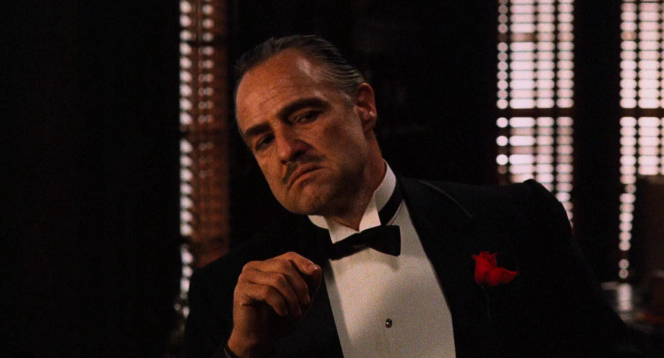
Puzo holds both of these truths simultaneously and never lets either one cancel the other out. That tension is exactly what makes Vito Corleone one of the greatest characters in American fiction.
His backstory — told in a long flashback section set in early 20th century Sicily and New York — is one of the most gripping origin stories in crime literature. You see how a quiet, decent young immigrant becomes Don Corleone. And once you understand the path, you can't judge him simply.
Michael Corleone — The Reluctant Heir
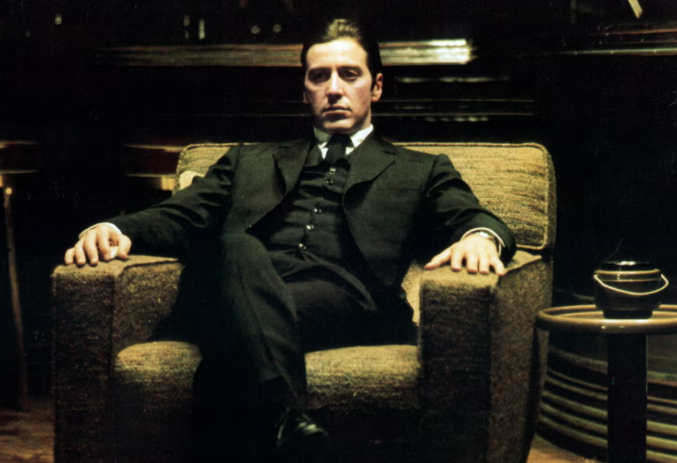
If Vito is the soul of the novel, Michael is its journey.
Michael begins the story as the family's hope — the one Corleone son who escaped the life. He's educated, morally serious, and in love with a woman outside their world. He attends parties and watches his family from a safe distance, convinced he is different.
The brilliance of his arc is how Puzo shows that Michael isn't different. Not really. Under the right pressure, in the right circumstances, the capacity his father has is in him too — and perhaps even deeper, colder, and more complete.
Michael's transformation is not a fall from grace in the traditional sense. It's something stranger and more disturbing: a man discovering who he truly is, and choosing it with open eyes.
Sonny Corleone
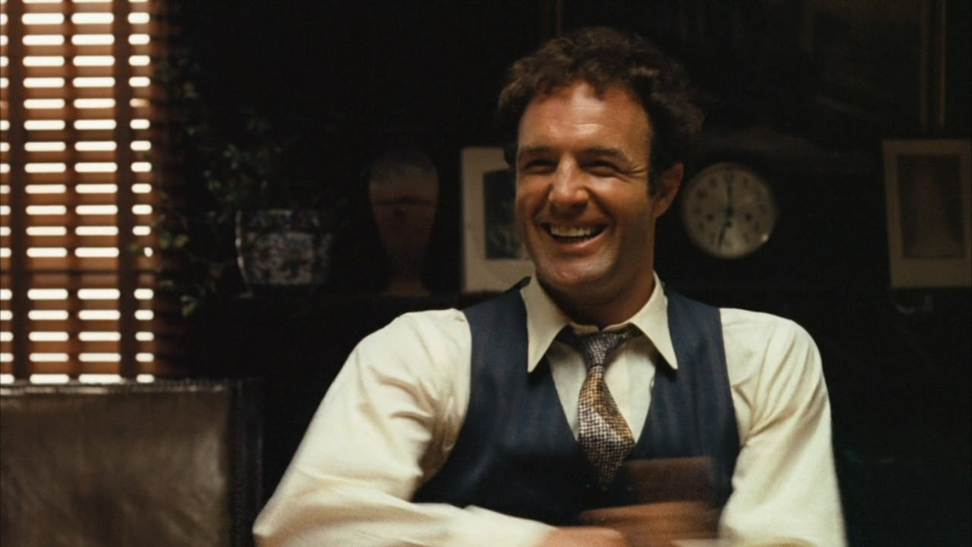
Sonny is raw power without restraint. He is fiercely loyal, savagely violent, and incapable of hiding what he feels. Where his father operates through patience and calculation, Sonny operates through immediate, overwhelming force.
He is, in many ways, a foil to both Vito and Michael — showing what happens when strength is untethered from wisdom.
But Puzo gives Sonny depth too. His rage comes from love. His recklessness comes from passion. You can't fully hate a character like that, even when his choices lead to disaster.
Tom Hagen
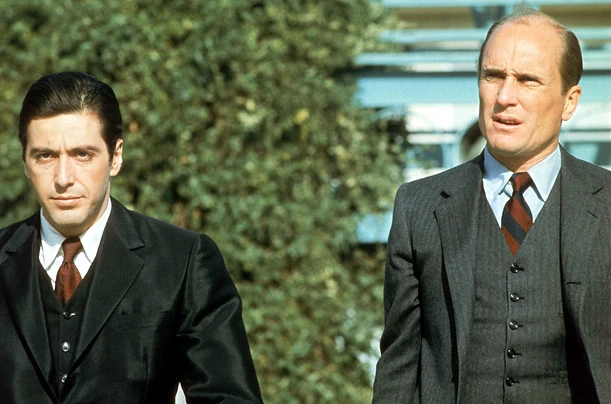
Tom is underrated in most discussions of this novel, but he might be its most quietly fascinating character.
Adopted into the Corleone family as a boy, Tom is neither Italian nor fully trusted by the old-guard mob figures. He exists at the edges of belonging, always loyal, always useful, never quite an insider. He is the mind of the family — rational, measured, effective — and his relationship with Vito has a quiet warmth that contrasts beautifully with the violence around them.
Kay Adams
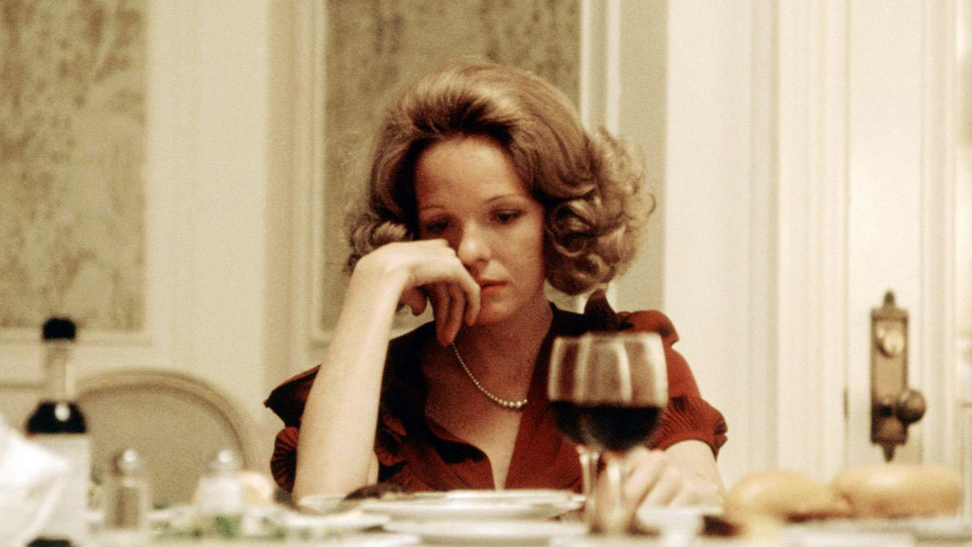
Kay, Michael's girlfriend and eventual wife, serves as the reader's surrogate in many ways. She is the outsider who sees the Corleones from the outside, who wants to believe Michael's reassurances, and who slowly, over the course of the novel and its sequels, comes to understand the terrible cost of the world she married into.
Themes: What The Godfather Is Really About
The Godfather is a crime novel on the surface. But underneath, it's a meditation on ideas that cut much deeper.
Power and Its Price
Every character in this novel is shaped by power — the desire for it, the use of it, or the damage it does. Puzo shows that power is not neutral. It transforms the people who hold it. It demands sacrifices. It corrupts relationships and distorts love into control.
Vito's power was built on favors — on making himself indispensable to people who had nowhere else to turn. But those favors create debts, and debts create obligations, and obligations eventually become chains. The Corleone empire is also a prison.
Loyalty and Family
"A man who doesn't spend time with his family can never be a real man." This line, spoken by Vito, captures something central to the novel's worldview.
The Godfather presents family loyalty as the highest virtue — but it also shows how that virtue can become a weapon. When loyalty is absolute, it can justify anything. Murders are committed in the name of protecting the family. Wars are started to avenge family honor. And the family itself becomes a structure that demands total submission.
Puzo doesn't preach about this contradiction. He simply shows it, scene by scene, and lets the reader feel its weight.
The American Dream — Corrupted
Vito Corleone is, in a dark mirror, a quintessentially American story. He is an immigrant who arrived with nothing, built something from the ground up through hard work, intelligence, and ruthlessness, and created an empire. He achieved wealth, power, and respect.
He just did it through crime.
Puzo is asking a pointed question: what is the difference between the methods of organized crime and the methods of legitimate capitalist ambition? Both involve exploitation. Both involve crushing competition. Both create hierarchies of power protected by the threat of violence. The Godfather simply makes the violence visible.
This is not a comfortable reading, but it's a brilliant one.
Justice Outside the Law
One of the most memorable scenes in the entire novel is its opening — a funeral home director, Amerigo Bonasera, comes to Vito Corleone asking for justice. The men who attacked his daughter received a light sentence from the courts. He wants real justice.
Vito gives it to him.
This moment frames the entire novel. The Corleones exist, in part, because legitimate institutions fail people. They provide justice — at a price, always at a price — to those who have nowhere else to turn. Puzo is not endorsing this. But he understands it. And he presents it with enough honesty that readers are forced to understand it too.
Writing Style: How Puzo Pulls You In
Mario Puzo wrote The Godfather in a propulsive, accessible style that never condescends to the reader but never loses them either.
The prose is clean and direct. Puzo doesn't waste words on ornate description. When he describes a room or a person, he gives you exactly what you need to feel present — and then he moves. The dialogue crackles. The pacing shifts brilliantly between slow, tension-building scenes and sudden explosive violence.
One of his most effective techniques is the deep-focus character study. Puzo will pause the main narrative to follow a secondary character — a singer named Johnny Fontane, a Las Vegas casino boss named Moe Greene, a hitman named Luca Brasi — and give them their own complete, compelling story before weaving them back into the larger tapestry. The novel feels enormous because of this technique. It feels like a world, not just a plot.
There are also extended subplots involving characters who barely intersect with the Corleone family — a Hollywood producer, a corrupt police captain, a ruthless narcotics dealer — that add texture and make the novel feel less like a single story and more like a portrait of an entire criminal ecosystem.
For fans of web novels and serialized mafia fiction, Puzo's structure is deeply familiar. It is, in essence, a saga — multi-character, long-form, covering years of time and layers of consequence. The pacing rewards patience. The payoffs are earned.
The Godfather Book vs. The Movie: Which Is Better?
This is the question that comes up every time.
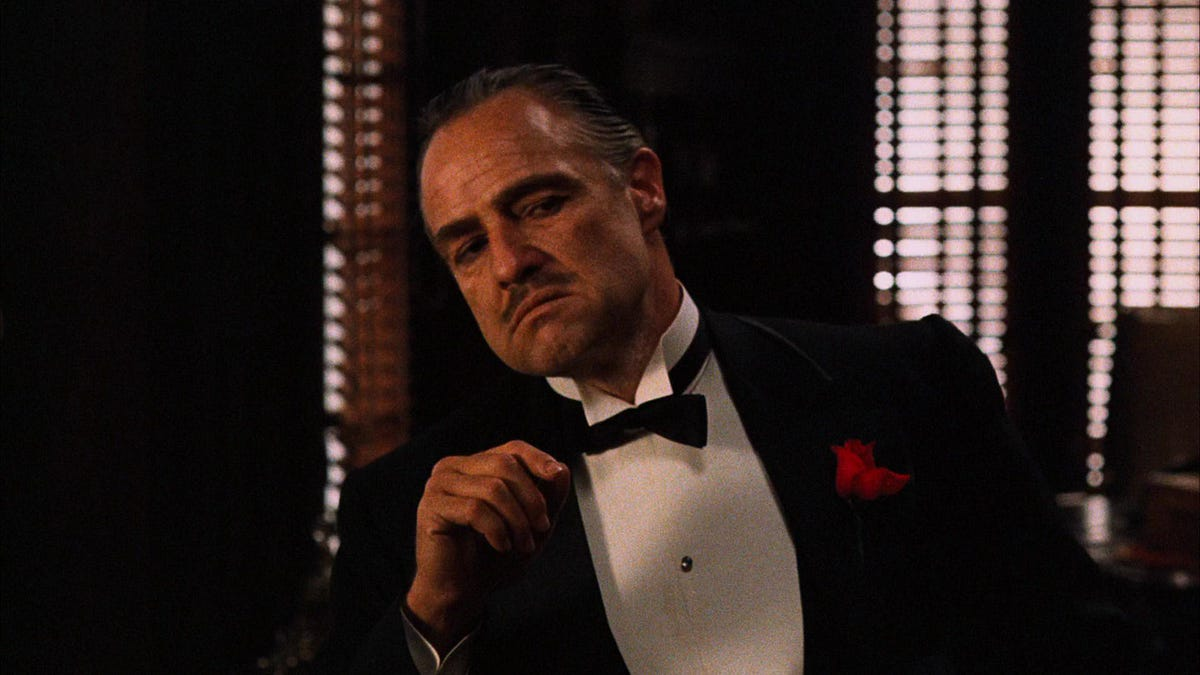
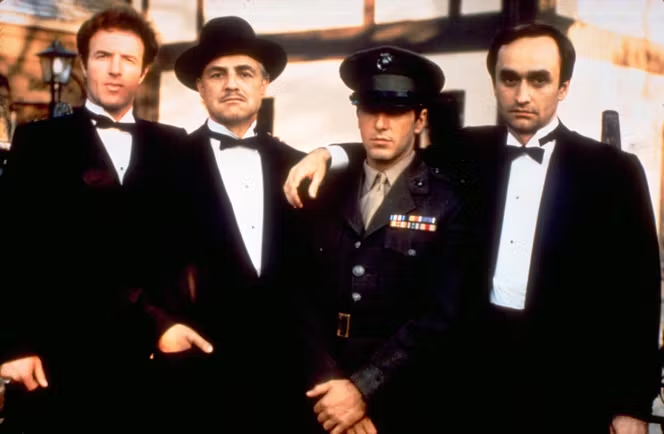
Francis Ford Coppola's 1972 film adaptation is magnificent. It stars Marlon Brando as Vito, Al Pacino as Michael, James Caan as Sonny, and Robert Duvall as Tom Hagen — one of the greatest casts ever assembled. It won three Academy Awards including Best Picture.
But the book has things the movie cannot.
Interior depth. The novel lets you inside Michael's head in ways no film can replicate. You feel the exact moment he crosses his internal lines. You understand why, not just what.
The subplots. The movie cuts significant portions of the book — the Johnny Fontane storyline, the extended Las Vegas material, much of Kay's perspective. The novel's full scope is richer and stranger.
Vito's backstory. The novel's flashback section showing Vito's early life in Sicily and his rise in New York is deeply moving. Coppola adapted this material for The Godfather Part II — but it reads differently, more intimately, in prose.
The moral complexity. Film requires compression, and compression often means simplification. The novel holds more moral ambiguity, more quiet dread, more space for the reader to sit with discomfort.
The film is the greatest adaptation of a novel ever put on screen. But the novel is what made that possible. Read both.
Who Should Read The Godfather?
If you love web novels about powerful crime families, dark romance woven through dangerous worlds, morally grey alphas who control everything and answer to no one — this is essential reading.
The Godfather is the foundational text of that entire genre. Every mafia boss in fiction since 1969 stands in the shadow of Vito Corleone. Every "don't mistake my kindness for weakness" character type, every dangerous patriarch with a code of honor, every heir who never wanted the throne but was born for it — they all start here.
Reading Puzo gives you something most web novel fans deeply enjoy: understanding the original mythology. It deepens your appreciation of every mafia story you've read since, and gives you a new eye for what those stories are borrowing and what they're adding.
It is also simply one of the most readable long novels in the American canon. Puzo wrote it to be devoured. And it is.
What The Godfather Gets Right That Most Mafia Stories Don't
Most mafia fiction — including many excellent web novels — focuses on spectacle: the violence, the luxury, the dominance. And those elements are addictive. They work.
What Puzo added, and what made The Godfather last more than half a century, is the cost.
Everything in this novel has a price. Power costs family. Loyalty costs freedom. Revenge costs innocence. And the Corleone empire, for all its grandeur, is built on grief.
That's what gives the story weight. The violence means something because Puzo has made you care about the people involved. The betrayals hurt because the relationships were real. And Michael's transformation is devastating precisely because you watched him try so hard not to become what he becomes.
Most crime fiction gives you the thrill without the weight. The Godfather gives you both — and that combination is what makes it unforgettable.
A Few Fascinating Facts About The Godfather
- Mario Puzo was paid a modest advance of $5,000 for the novel. It went on to sell over 21 million copies.
- He wrote the book primarily to pay off his gambling debts. The novel about a criminal empire was itself, in some small way, financed by vice.
- Frank Sinatra was reportedly furious at the novel, believing the character of Johnny Fontane — a singer whose Hollywood career is saved by the Corleones — was based on him. Puzo denied it.
- Puzo co-wrote the screenplay for The Godfather (1972) and The Godfather Part II (1974) with Coppola, winning Academy Awards for both.
- The novel spent 67 weeks on the New York Times bestseller list.
- Al Pacino was reportedly not the first choice for Michael. The studio wanted a more conventional leading-man type. Coppola insisted on Pacino. The rest is history.
Final Verdict: Is The Godfather Worth Reading?
Without question.
The Godfather by Mario Puzo is a masterwork of crime fiction — a novel that balances accessibility and depth, spectacle and substance, entertainment and genuine literary power. It is the story that defined the mafia genre, gave the world Vito and Michael Corleone, and asked questions about power, family, and the American dream that still have no clean answers.
If you read mafia web novels, if you're drawn to stories of dangerous men with codes of honor, if you love narratives where loyalty is everything and betrayal is fatal — this is the original. This is where it all comes from.
Read it before the next time someone references an offer they can't refuse. You'll understand it on a whole new level.
Rating: 5 / 5 — A timeless masterpiece.


![[Dubbed Version] In Our Youth](https://v.melolo.com/b1265344voduse1318177724/13e6849c5145403706118740249/h7meXFL7KWAA.webp!15491.webp!15491.webp)