My Janitor Dad Is The Final Boss: He Mops the Floors. He Also Commands Nations

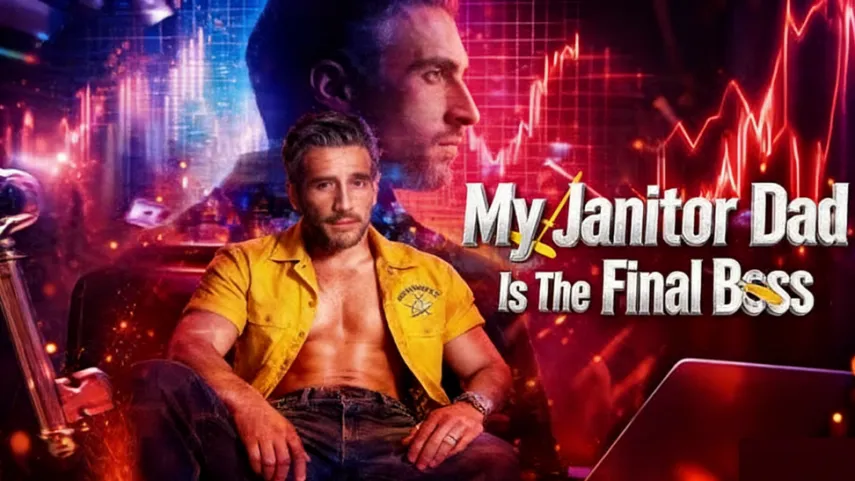
My Janitor Dad Is The Final Boss opens with a tension-filled premise that rewrites the "hidden billionaire" trope for a global audience. What happens when the most powerful man in the room is the one everyone overlooks? This compelling mini series flips the script on status and fatherhood, following NATO commander Leif as he lives undercover as a janitor to shield his son, Jasper, from the toxic world of the elite. Equal parts slow-burn revenge and emotional gut-punch, this short drama rewards viewers with the most satisfying payoff scenes in recent short series to watch lists.
The Architecture of a Perfect Disguise
There's a specific kind of satisfaction that only comes from watching someone who's been chronically underestimated finally show their hand. My janitor dad is the final boss has built its entire identity around that moment of revelation. The story centers on Leif, a powerful tycoon and the janitor: top-secret tycoon, who chooses the most invisible profession imaginable to teach his son the value of hard work.
In this viral janitor drama, the mop and uniform are more effective camouflage than any alias. My janitor dad isn't just hiding; he is observing the true nature of the people around him. This short series quietly asks a provocative question: how many times do we look straight through the person holding the broom? The humiliation Leif endures isn't incidental—it’s the setup for a counterattack of the billionaire in disguise that has made this one of the best mini series of 2026.
Leif: The Weight of Restraint

My janitor dad is the final boss actor Nick Puya delivers a study in controlled performance. As NATO commander Leif, he portrays a man whose discipline is his greatest weapon. Every time he absorbs an insult while people sneer that my dad is just a janitor, it reads not as weakness, but as a tactical retreat.
What makes my janitor dad is a final boss so compelling is the dramatic irony. While the antagonists see a "nobody," the audience knows they are mocking a man who commands nations. This mini drama thrives on the anticipation of the "snap." Leif isn't a boss dad for ego; he does it for Jasper, making him a truly peerless dad in the world of high-stakes drama. Whether you're looking for my janitor dad is the final boss full movie cuts or individual episodes, the focus remains on Leif’s sacrifice.
Elowen: More Than a Catalyst

The turning point occurs when the janitor saves CEO Elowen from a dangerous situation. Despite his heroism, he is met with contempt rather than gratitude. Elowen is a high-achieving professional who has fought her own battles, yet she initially fails to see past Leif’s uniform.
As you watch my janitor dad is the final boss, their dynamic evolves from mutual misunderstanding into a complex renegotiation of power. Elowen is the catalyst for the my janitor dad is the final boss ending, where the truth finally shatters the illusions of the elite.
Ready to WATCH:
Why My Janitor Dad Is The Final Boss Hits Different: The Karma Loop
Whether searchers use the term my janitor daddy is the final boss or the janitor is the final boss, they are all seeking the same thing: Justice.
- The Payback: Fans of my janitor dad is the final boss full episodes want to see the "social elite" humbled by the nato commander janitor.
- The Transformation: The journey from janitor to billionaire provides a "feel-good" catharsis that is rare in grittier series.
- The Mystery: The search for my janitor dad is the final boss cast reveals why Nick Puya’s "Greek God" physique hidden under a janitor’s jumpsuit adds such a viral layer to the show.
Conclusion: A Must-Watch
My janitor dad is the final boss drama doesn't just deliver a reveal; it earns it. By the time you reach the my janitor dad is the final boss ending, the patience Leif showed throughout the 55 episodes feels like a masterclass in strategy. For those seeking a recommended mini series with high emotional stakes and a billionaire's hidden power, this is the definitive choice.