The Luna's Second Choice: Five Brothers, One Maid, and the Woman Who Refused to Beg

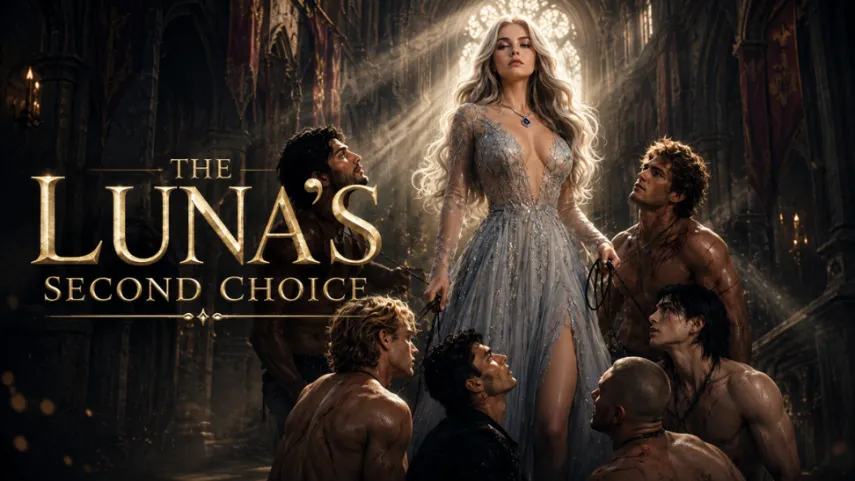
There is a specific kind of cruelty the werewolf romance genre has never quite known how to name: the cruelty of a woman who waits. She is patient, deserving, structurally owed — and systematically ignored anyway. The Luna's Second Choice on ReelShort opens in that wound and stays there long enough to make it uncomfortable, which is exactly what separates it from the dozens of near-identical dramas crowding the short-form space right now.
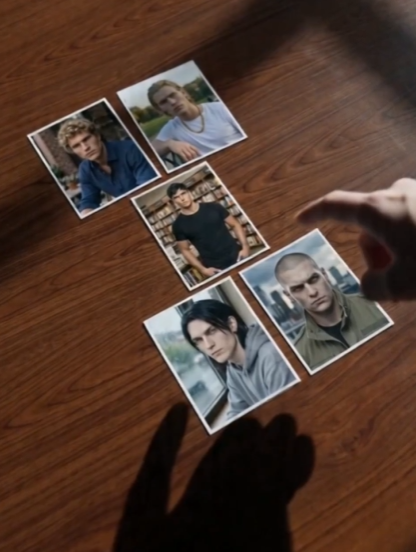
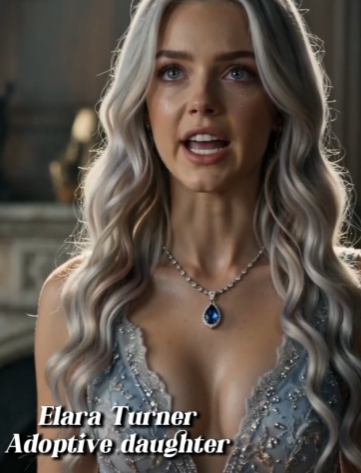
Elara has already lost before the first episode ends. The Stormfang Pack's adoption arrangement has designated her as future mate to one of Alpha Mason's five sons — a setup designed to look like privilege and function as a trap. When all five brothers redirect their attention toward Jenny, an omega maid with a talent for manipulation, Elara is not merely overlooked. She is actively made into a target.
The Architecture of Humiliation: How Jenny Works
The decision to make the antagonist an omega — technically the lowest-status figure in pack hierarchy — is one of the drama's most structurally intelligent choices. Jenny is not a powerful rival Alpha swooping in to challenge Elara on equal footing.
She operates from below, which makes her methods harder to name and harder to defend against. Her scheming succeeds not because she is stronger than Elara but because she understands the brothers' insecurities better than they do.

This is the drama's central irony about the five brothers: they believe they are making a free choice when they are, in fact, being guided. The brothers hold every conventional advantage — status, numbers, bloodline, the institutional weight of pack law — and yet they are the least self-aware figures in the story. Their collective blindness to Jenny's manipulation says something uncomfortable about how hierarchies protect the people at the top least well: surrounded by deference, the brothers never had to develop the skill of seeing clearly.

The drama does not let them off easily for this. Their treatment of Elara — forcing her to perform acts of servitude for Jenny's benefit, dismissing her testimony, using her healing abilities while denying her basic dignity — is presented with enough specificity that it registers as genuine grievance rather than genre shorthand.
Elara's Wound and What She Actually Needs
Psychologically, Elara's arc is structured around a distinction the drama keeps pressing: the difference between what she was promised and what she deserved. She was told she had a place. The five brothers were that place made flesh. When they turned away, she didn't just lose potential mates — she lost the evidence that she belonged.
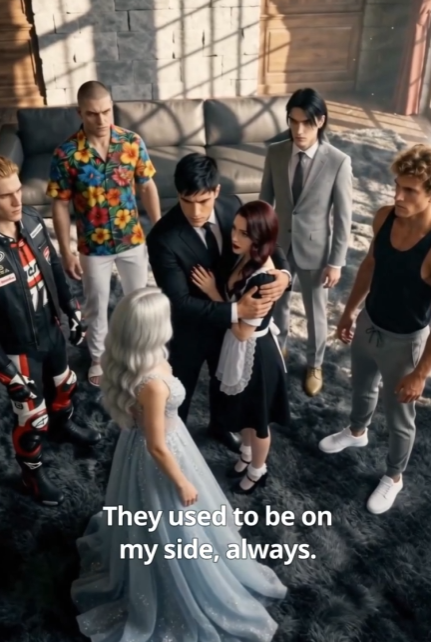
The eighteenth birthday rejection scene is the drama's hinge point, and it works precisely because it reverses the expected emotional beat. Rejections in this genre usually come from power — the Alpha who rejects the omega, the prince who dismisses the commoner. Here, Elara is the one who speaks first. She publicly severs the mate bond before the brothers can continue to exploit it. The announcement of her engagement to Lycan Prince Xavier Lockhart is not triumphant wish-fulfillment so much as it is self-protection wearing a crown.
Xavier Lockhart and the Logic of the Curse
Xavier's function in the narrative is architecturally precise. He is not introduced early. He arrives at the moment Elara has already decided — after she has done the hard internal work of choosing herself. This sequencing matters enormously. It ensures that Xavier is the result of Elara's transformation rather than the cause of it.
The detail of his "deadly curse," which Elara ultimately breaks, works as a mirror to her own situation. Two people marked by something they didn't choose, both carrying damage inflicted by a system that couldn't accommodate who they actually were. Their pairing is not conventional romance logic — it is the logic of mutual recognition. She doesn't complete him by being the right woman. She completes him by being someone whose specific history intersects with his specific wound.
The Brothers' Reckoning: Too Late and Designed to Be
The drama does something structurally unusual in its final phase: it gives the brothers a genuine reckoning. They discover Jenny's deception. They recognize what they lost. And then the drama refuses to reward their recognition with a reversal. The epiphany arrives at exactly the moment it can no longer change anything, which is the correct structural decision.
Redemption stories in this genre typically end with forgiveness or at least with the door left ajar. The Luna's Second Choice declines. The brothers' late understanding is treated as consequence, not catharsis — their problem to carry, not Elara's burden to absorb. For a 60-episode short-form drama, this is a notably disciplined refusal.
Who This Is For — And What It Actually Delivers
Viewers who come to werewolf dramas for the slow-burn satisfaction of watching an overlooked woman finally receive what she was owed will find the pacing here unusually efficient. The short-episode format, rather than diluting the emotional stakes, compounds them — each installment functions as a pressure increment, and the cumulative weight hits harder than a single long-form cut would.
This is not a story about finding love. It is a story about the cost of patience, and the specific release that comes when someone finally stops spending it. Elara's arc is most accurately described as an exit — from a house that was never really hers, toward something she had to build the right to claim.
The genre calls it a second choice. Elara would call it the first time she chose at all.
Where to Watch:The Luna's Second Choice is available exclusively on ReelShort.
- Platform: ReelShort
- Episode count: 60 episodes (completed series)
- Access: ReelShort operates on a coin/credit system; select episodes may be available free with an account. A subscription or coin purchase unlocks the full series.