My Mother Died to Crown Me: A Myth Built on Sacrifice

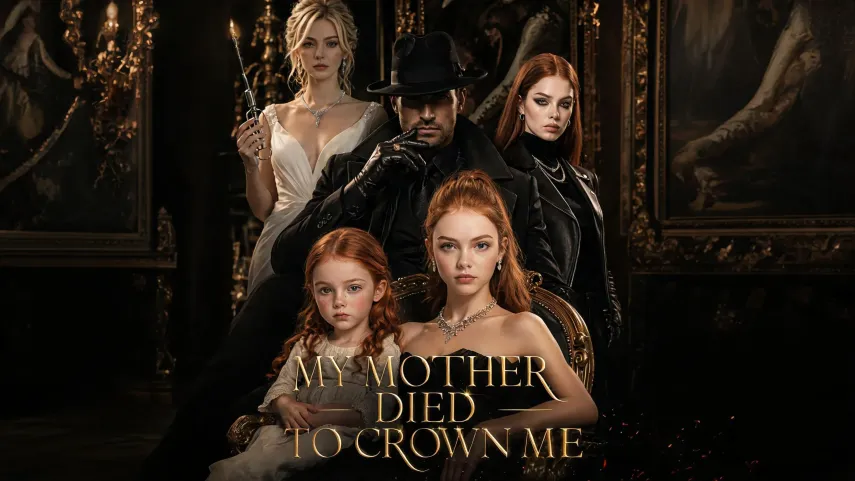
My Mother Died to Crown Me is available to watch in full on ShortMax. The title is not a metaphor — and that refusal to soften its own premise is where the drama earns its sharpest edge.
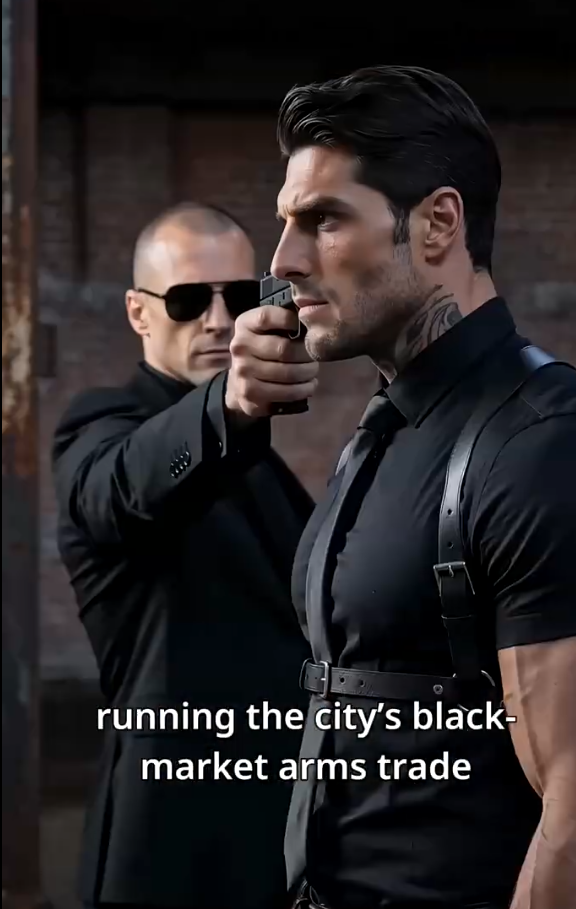
The case for this story rests on a single claim: it is not a crime drama. It is a rite of passage told through the logic of myth. Strip away the New York underworld, the two Mafia families, the strategy and the scheming, and what remains is one of the oldest patterns in existence — the inheritor who must lose everything to become something. The criminal world is the setting. The myth is the content.
The Decade Before the Story Begins
Ten years before the central drama opens, the mother already moved. Her destruction of enemies through a carefully planned scheme is not backstory filler — it is the first data point in understanding what kind of woman she is. She does not react. She architects. That patience, exercised a full decade before her child reaches adulthood, tells us that everything the protagonist experiences is not spontaneous parenting. It is curriculum design.
The subjects are deliberate: medicine, strategy, how to outplay an opponent, how to eliminate one. Each discipline addresses a different category of threat. Medicine extends life. Strategy governs the long game. The combination implies a worldview in which every relationship is already a potential war — and preparation is the only form of love that counts.
The Mother as the Story's Sacred Sacrifice
In archetypal terms, the mother occupies the role of the dying sovereign — the figure whose power cannot be transferred except through an act of total relinquishment. She is, the story confirms, the true power behind two Mafia families and the most dangerous woman in New York's underworld. That is not a position someone stumbles into. It is a position built, held, and — as the drama reveals — deliberately dismantled on a chosen day.
What makes her a consequence carrier is not simply that she dies. It is that her death is pedagogical. She uses her own life to deliver the final lesson: in the Mafia world, the soft-hearted do not survive. She does not recite this. She enacts it. The teaching and the sacrifice collapse into a single moment, and that collapse — the lesson becoming the act, the act becoming the lesson — is the mythological hinge the entire story turns on.
The Protagonist's Function in the Story's Engine
For most of the narrative, the protagonist's plot function is to receive. Lessons flow toward them. The world is revealed to them. Capabilities are installed in them. They are not yet the actor in the story — they are the object of another character's sustained and lethal intention.
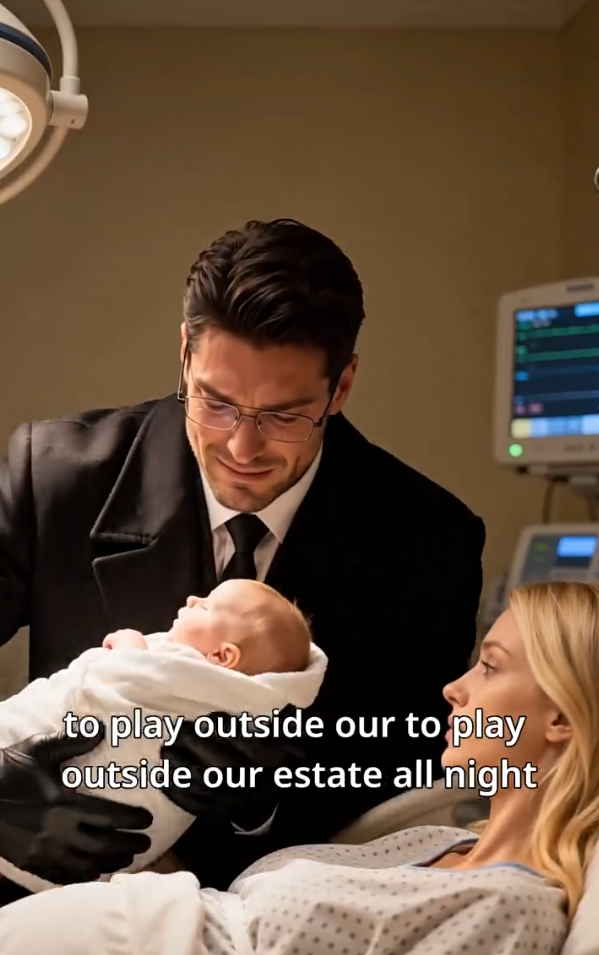
That changes at eighteen. The shift from recipient to inheritor is the pivot the drama builds toward across every prior scene. In structural terms, the protagonist does not truly begin their own story until the summary ends. What we are watching is the prologue to a throne — and the mother is the prologue's final, irreversible sentence.
The Argument Against the Drama
A fair objection exists: a story structured entirely around preparation, culminating in loss before the protagonist truly acts, risks feeling unresolved. The emotional weight of the mother's death is real, but ending at the threshold — the protagonist crowned but not yet ruling — may leave viewers who want resolution with no place to land.
There is also the risk of flattening the mother into pure function. A character defined by her eventual sacrifice, however intentional, can collapse into symbol rather than person. The summary gives us her power and her method, but the space between those two facts — who she is when not scheming — is where warmth would need to live for the loss to fully register.
Why the Final Lesson Lands Anyway
The drama holds because the mother's sacrifice is not incidental — it is the thesis. A story about the cost of surviving in a world built on power cannot demonstrate that cost with anything less than maximum stakes. A warning given in words is advice. A warning given with a life is law. The structure earns the ending it reaches.
And the protagonist's open arc may be precisely the point. Being crowned is not the same as ruling. My Mother Died to Crown Me gives us the weight of what was received, not the comfort of watching it wielded. That withholding — denying easy resolution at the moment of highest grief — is what gives the story its particular and lasting gravity.
recos:

Where to Watch My Mother Died to Crown Me
Viewers looking to watch My Mother Died to Crown Me free content or explore the platform before committing should check ShortMax directly for current regional access and trial options.