He Took a Mistress I Took the Sky: When She Stopped Waiting for an Apology and Started the Engine


There's a particular kind of grief that comes not from losing something — but from finally admitting you gave it away. He Took a Mistress I Took the Sky understands that grief completely. And it doesn't let you sit in it for long.
This fast-paced Chinese-style mini-drama dropped on GoodShort in March 2026 and quickly spread across social media clips, mixing betrayal, rebirth, and female empowerment in the classic vertical short-drama format. It's a story that hooks you with a title and keeps you for something much more specific: the portrait of a woman who discovers, too late and then just in time, exactly what she was worth.
The Setup: A Trade She Never Should Have Made
Jiyoung dreamed of becoming a pilot, but an unexpected pregnancy led her to give up her captain's seat to her husband, Min-gyu, and become a housewife. On their seventh anniversary, she catches him cheating and dies in a plane crash.
That's the first life. Efficient, devastating, and over before it really begins.
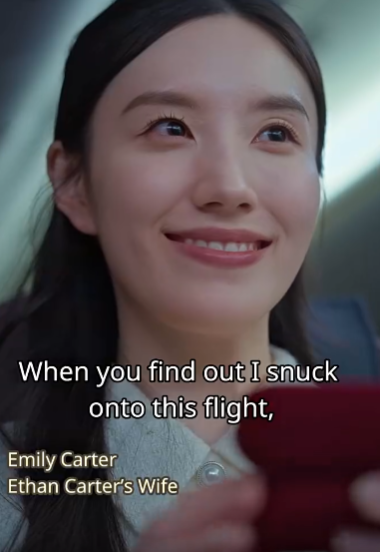
What makes this drama structurally interesting is where it chooses to restart the clock. Jiyoung doesn't wake up after the crash with a miraculous recovery. She wakes up before the tragedy — armed with knowledge of the future — and this time, she's ready to take back the sky. The rebirth isn't framed as a supernatural gift. It functions more like a reckoning: she now knows exactly what every compromise cost her, and she gets to decide whether to pay it again.
That's a sharper premise than most second-chance stories offer. The question isn't "will she get revenge?" It's "will she finally trust herself?"
Jiyoung: A Character Study in Reclamation
The most compelling thing about Jiyoung as a character isn't her anger — it's her clarity. Most betrayal narratives linger on the wound. This one skips almost immediately to the decision. Once Jiyoung processes what happened (and what will happen, and what was always happening), she doesn't spiral. She pivots.
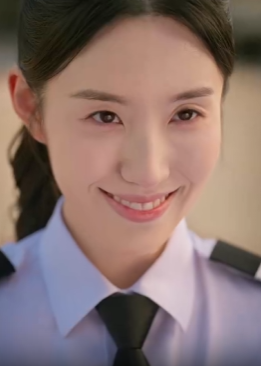
That psychological shift — from self-sacrifice as identity to self-determination as identity — is where the drama does its best work. Seven years of quietly stepping aside, of telling herself that love required the trade, collapse into something she can now look at with full eyes. After the rebirth she becomes focused, decisive, and determined to reclaim the life she gave up.
The aviation setting is doing real narrative work here. A pilot's cockpit is a space of absolute command — you either belong there or you don't. By making that her destination, the drama gives Jiyoung's journey a clean, unmistakable visual metaphor: every episode she moves closer to the captain's seat is an episode she moves further from the woman who shrank herself for someone else.
Min-gyu: What Entitlement Looks Like When It's Comfortable
Min-gyu is not a cartoonish villain. That's precisely what makes him worth analyzing. He didn't take Jiyoung's dreams by force — he simply never pushed back when she offered them. He accepted, year after year, a version of their marriage that cost her everything and cost him nothing. His arc explores entitlement and the consequences of taking a partner for granted.
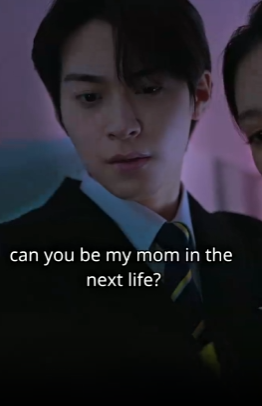
The betrayal on their seventh anniversary isn't a sudden character break. It's a logical endpoint of a dynamic that was always imbalanced. In that sense, Min-gyu functions dramatically as less of an antagonist and more of a mirror — a reflection of every moment Jiyoung chose the marriage over herself. His role in the story is to show, in the starkest possible terms, what that pattern of sacrifice was actually building toward.
The rebirth structure lets the audience watch Jiyoung interact with that dynamic a second time, but from a position of knowledge. The tension comes not from wondering whether Min-gyu will betray her again, but from watching her navigate that world without letting on what she knows — and without making the same quiet concessions.
Why This Premise Hits Different in 2026
Viewers in 2026 seem especially drawn to stories about women choosing themselves after years of quiet sacrifice. That's not a coincidence. There's a specific cultural exhaustion with narratives that ask women to be endlessly patient, endlessly forgiving, endlessly accommodating — and then frame that patience as virtue rather than loss.
He Took a Mistress I Took the Sky doesn't moralize. It doesn't ask you to pity Jiyoung or to hate Min-gyu. It adds a fresh aviation setting and a literal "second life" twist that feels empowering rather than purely vengeful. The drama's emotional core is quieter and more personal than revenge: it's about a woman reconnecting with the version of herself that existed before she started editing herself down for someone else's comfort.
The title says it all: while he chooses a mistress, she chooses the sky. It's a thesis statement delivered in nine words, and it earns every one of them.
Format & Pacing: Built for the Way You Actually Watch
The drama runs for 62 short episodes, each lasting one to two minutes, so the entire series fits into roughly two hours of total watch time. Every episode closes on a micro-cliffhanger engineered to pull you into the next. It's a format that rewards commitment — the first stretch establishes the first life's tragedy efficiently, and once the rebirth kicks in, the pacing shifts into something more driven and propulsive.
For viewers used to longer-form dramas, the adjustment takes about ten minutes. After that, the rhythm feels natural — almost like reading a novel in very short chapters, where each break is a breath rather than a stop.
Where to Watch He Took a Mistress I Took the Sky — All Episodes
The official and best place to watch is the GoodShort. Search He Took a Mistress I Took the Sky directly in the app or follow the link below. Episode 1 is free, with subsequent episodes accessible via the app's standard viewing options.
He Took a Mistress I Took the Sky isn't really a drama about infidelity. It's a drama about opportunity cost — the invisible price of every dream quietly set aside in the name of love. Jiyoung gets a rare chance to see that bill in full and decide not to pay it twice. For anyone who has ever made themselves smaller to fit inside someone else's life, this one is going to land somewhere personal.