Bloodbound Luna: When AI Tells a Fantasy Story, Does the Magic Still Land?

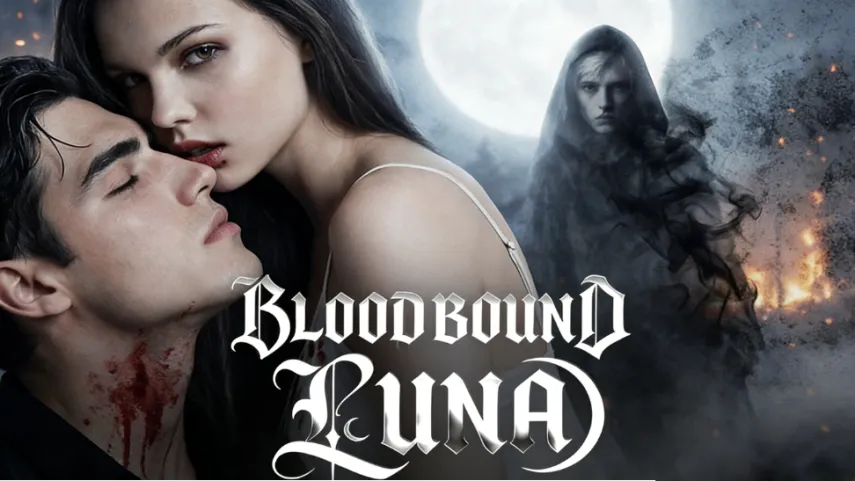
Vampires, werewolves, a secret hybrid identity, a forbidden bond forged on prom night — Bloodbound Luna checks every box on the YA dark fantasy wish list. But what makes this 22-episode micro-drama genuinely worth talking about isn't just the story. It's the fact that not a single human actor appears on screen. Every character, every voice, every shadowy moonlit scene was generated entirely by artificial intelligence. So the real question isn't just is this a good story? — it's can AI actually make you feel something?
The Story: Familiar Territory, Executed with Conviction
Luna's world changes irrevocably on prom night. A forbidden bond ignites between her and Jacob, the Alpha of the Nightclaw wolf pack — a connection that should be impossible, yet feels undeniable. When her blood is tested, the truth is more complicated than anyone anticipated: she is neither fully wolf nor vampire, but a rare and powerful hybrid. The revelation sends shockwaves through two warring species, forcing Luna into exile and making her a target of a vampire king who sees her existence as a threat. To survive, she must confront who she really is — and decide whether to run from that power or claim it.
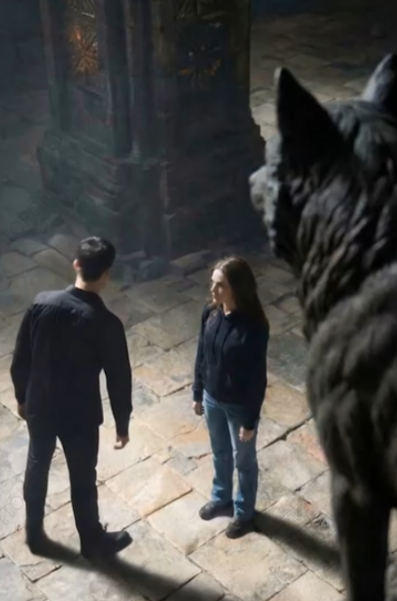
If you've ever loved Twilight, The Vampire Diaries, or any story where a young woman discovers she's the rare thing two ancient worlds have been fighting over, this premise will feel immediately welcoming. That's not a weakness — it's smart genre targeting. Bloodbound Luna leans into these familiar beats deliberately, giving its audience exactly the emotional architecture they already know how to respond to, then letting the visual world-building do the heavy lifting.
The Hybrid Identity Arc: The Story's Real Heartbeat
Strip away the supernatural mythology, and Bloodbound Luna is fundamentally a story about not belonging anywhere — and learning that being "in between" is not a flaw but a form of power.
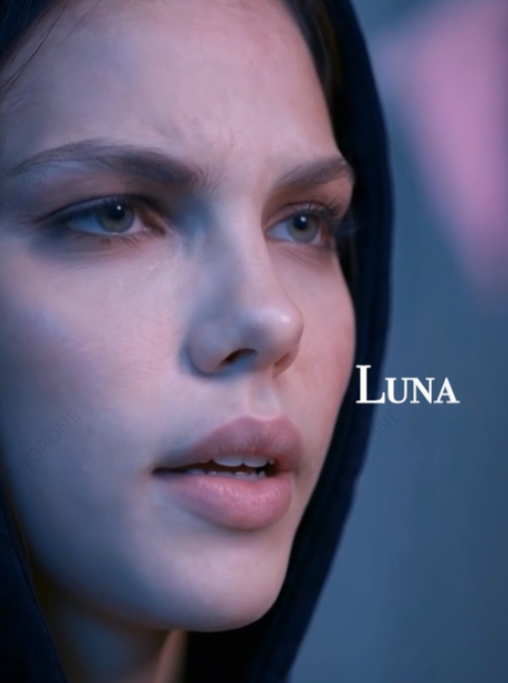
Luna begins the story caught between two worlds she doesn't fully understand and neither of which fully claims her. She's not human enough, not wolf enough, not vampire enough. That sense of fractured identity resonates well beyond its fantasy trappings. It maps onto anyone who has ever felt like they didn't fit the category they were handed at birth — which, for the YA audience this drama targets, is a near-universal experience.
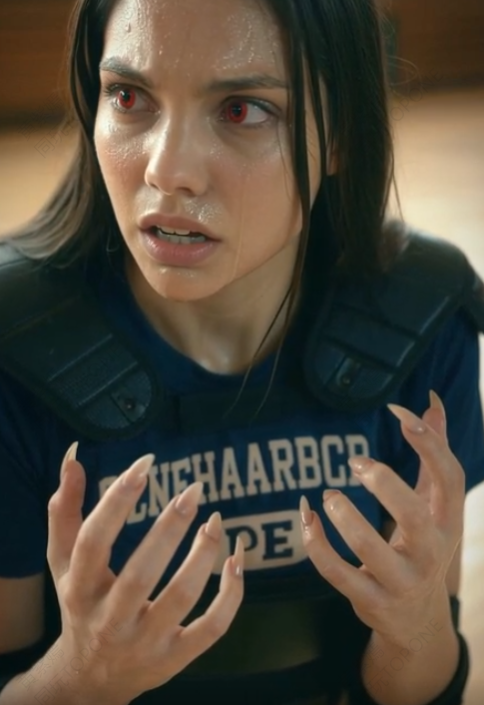
What makes the arc work is that Luna's journey isn't about choosing a side. It's about refusing the binary entirely. The exile plotline forces her to survive without the protection of either faction, and in doing so, she discovers the only identity that actually holds: her own. By the time she returns to reclaim her place beside Jacob, it lands not as a romantic reunion but as a declaration of selfhood.
Jacob and Luna: Chemistry Built Without Actors
This is where Bloodbound Luna faces its most interesting challenge. The forbidden bond between Luna and Jacob is the emotional engine of the entire series — and it has to generate real feeling without real performers.
The result is more effective than skeptics might expect. The drama relies on strong visual language: charged proximity, deliberate eye contact, scenes designed to let silence carry weight. Jacob is built as the archetypal protective Alpha — but the writing gives him a key quality that elevates him above the trope. His instinct to shield Luna conflicts directly with her need to claim her own power, and that tension gives their dynamic genuine friction. He's not a hero who saves her. He's the one she has to outgrow — and then choose freely.
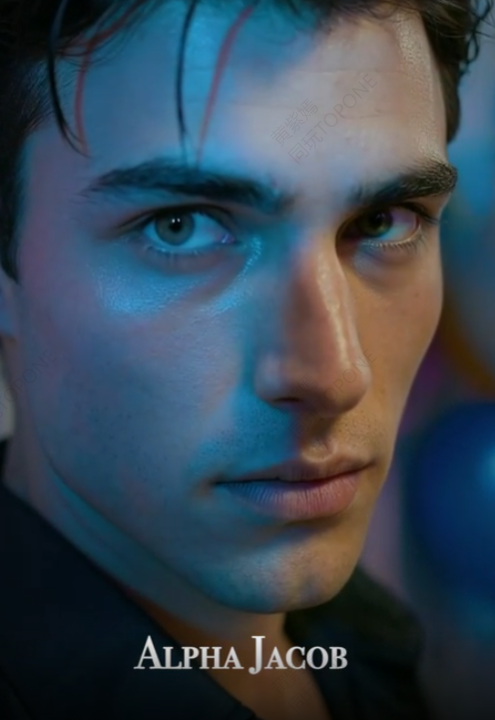
For viewers who connect with story and mood over performance nuance, this works. For those who need the micro-expressions of a human actor to feel invested, it will be a harder ask.
The Villain: Why the Vampire King Matters
Every strong YA fantasy needs an antagonist who represents something beyond mere obstacle. The vampire king hunting Luna isn't just after her blood — he represents the old order's terror of something new and unclassifiable. A hybrid doesn't fit the system he's built his power on, which makes her existence inherently threatening regardless of what she does.
This is the drama's sharpest thematic choice. The war between packs and vampires isn't about territory or resources. It's about the violence that entrenched power structures direct at anything that refuses to be sorted. Luna's journey to reclaim herself is, at its core, a rejection of that logic — which gives the conflict a resonance that lifts it above standard supernatural action.
Where to Watch Bloodbound Luna — All Episodes
Bloodbound Luna where to watch: The series is available exclusively on Vigloo, the Korean-origin micro-drama platform designed for mobile viewing. Vigloo's library features dramas with episodes under two minutes each, built for on-the-go audiences. The first episode is free; additional episodes can be unlocked through the platform's reward system or subscription.
- Download the Vigloo app on iOS or Android
- Visit vigloo.com to stream in browser
- Bloodbound Luna full episodes — all 22 episodes are available on the platform now
The Verdict
Bloodbound Luna works because it trusts its genre. It doesn't try to be something experimental or subversive — it sets out to deliver a dark, emotionally charged fantasy about identity, belonging, and forbidden love, and it does so with genuine craft. Vigloo CEO Neil Choi has described the project as proof that "small teams can scale their creative vision and produce ambitious genre stories" — and on the evidence of Bloodbound Luna, that claim holds up.
Is it going to replace the emotional pull of watching real actors carry a scene? No. But for viewers who love the YA supernatural genre and are happy to meet the story on its own terms, Bloodbound Luna delivers the things that actually matter: a heroine worth following, a world worth getting lost in, and an ending that earns its emotional payoff.
Luna's story is about learning that what makes you impossible to categorize is exactly what makes you unstoppable. In a world obsessed with pure bloodlines — fictional and otherwise — that's a message worth 22 episodes of your time.